
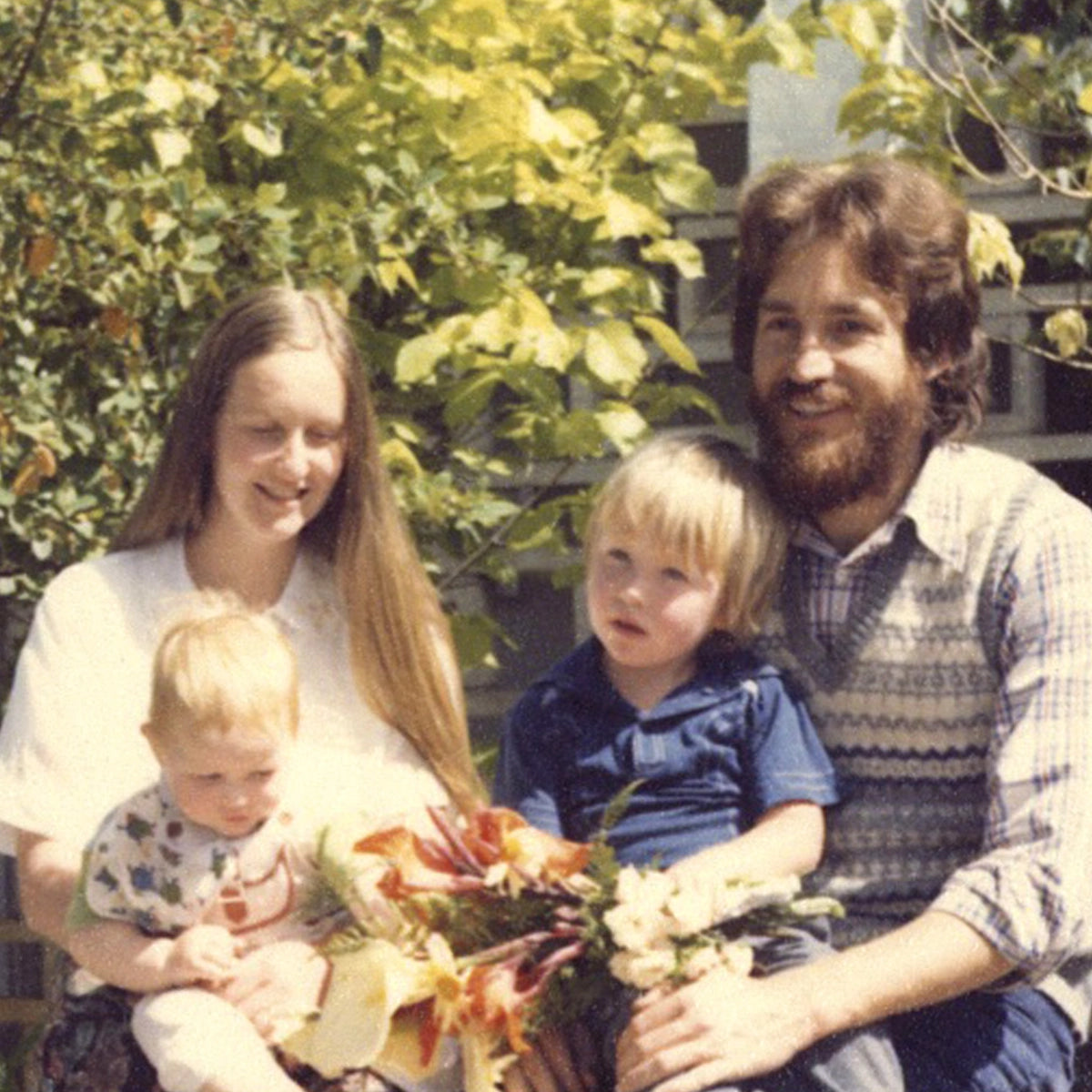
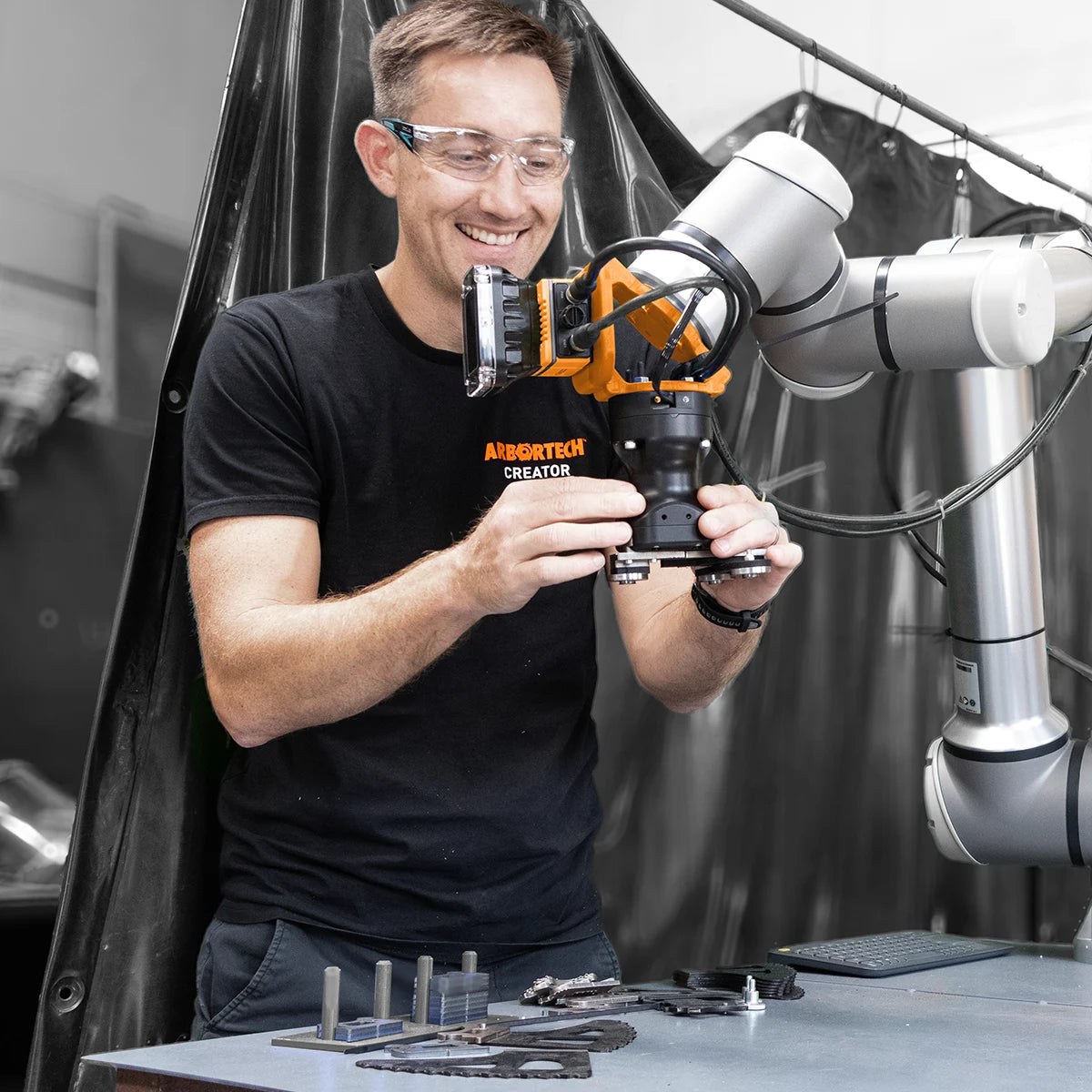


“There's always a better way of doing things, the challenge lies in finding it and then having the courage to make it happen”
What inspires your inventions? Where do you get ideas for your products and what kinds of things inspire you?
Most of my ideas have come about from playing around in my shed. Often while doing a simple task or working on something I notice maybe a physical effect or an interesting discarded object and wonder how I can use that for some purpose. The very first wood shaping blade I developed came about because I wanted a faster way to carve the seat-bases for a whole bunch of chairs. I saw a length of chainsaw chain left over from fitting to my chainsaw and wondered if I could wrap them around a disk and put it onto my grinder, which would give me better control than using a chainsaw. A suitable disc lay there amongst the jumble on my bench. I think it came from a Volkswagon and had a hole in the middle that fit perfectly onto the arbour of my grinder. The length of the chainsaw chain had six teeth and fitted perfectly around the disc. Generally I can say that I usually think intensely on a problem or issue I’d like to solve, to the point that I finally give up, whereupon something either pops into my head or some object or phenomena reveals the solution

"A flaw can be regarded as a feature"
Do you believe that art can be made from any piece of wood, including scrap? Tell us about your philosophy on wood sourcing and design.
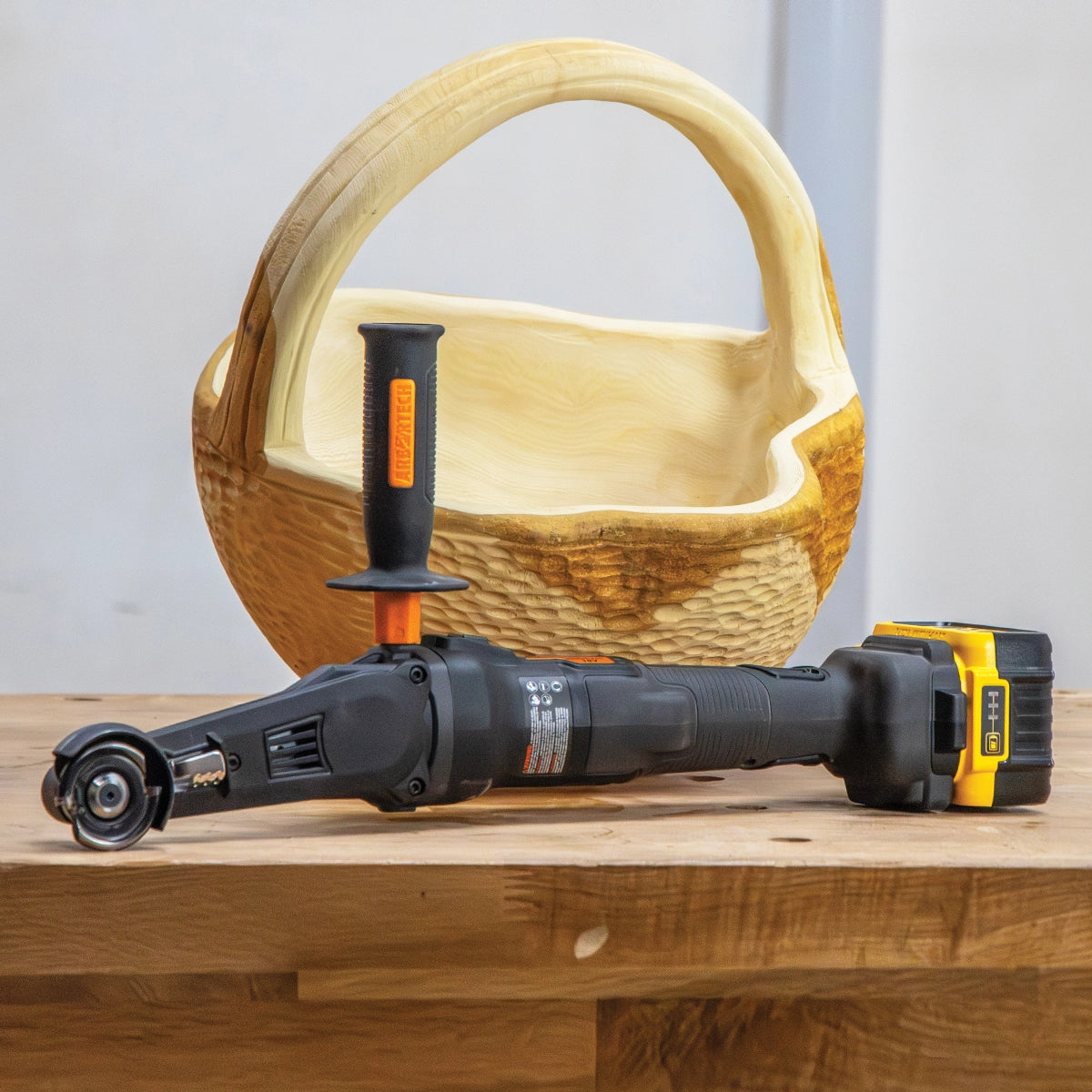
I’d like to say that the motivation behind the development of our woodworking tools was my concern for the environment but the truth is I simply wanted a faster way to freehand shape wood. Having said that, I quickly realised that I could make beautiful and valuable objects from otherwise useless cuts of wood such as tree roots, branches or firewood, not to mention recycled wood. Regular milling techniques seek straight flawless lengths and result in a vast amount of waste, often more than 70% of the tree. With power carving, almost any kind of wood can be used and what would ordinarily be regarded as a flaw can be regarded as a feature.
Currently I source most of my wood from a good friend, John Miller (who is actually a very accomplished jeweller, go on and check him out) who has over many years, rescued and milled a vast amount of timber from road widening and clearing operations that would have otherwise been piled up and burned.


What advice would you give to people who are thinking of getting into power carving?
I would say start with something simple and play with the tools. A spoon or a bowl is always a good start and then move to larger things. I often find an interesting piece of wood which suggests some form such as an animal, or an object such as a vase or tray. We recently found a wonderful tree root that is asking to be made into an octopus.
What is your favourite power carving tool and why?
This is a hard one for me because I fall in love with all of my products as they evolve and my favourite is usually the one I am working with. The TURBOPlane is an obvious one as it is so effective but I have recently been really enjoying using the Ball Gouge as I find the way it carves particularly satisfying.

"I simply wanted a faster way to freehand shape wood"
What should we expect from the Arbortech Power Carving range in the coming years?
I see no end to interesting developments in this sphere. I have been working on my newest favourite tool which will no doubt be revealed very soon. Our engineering team have also been working hard on many fronts and I can only say that you can expect everything we develop to be original, unique, and that we will not release anything unless we feel it is effective, safe and provides real value to the user.